What soft washing can address on a Fort Myers property
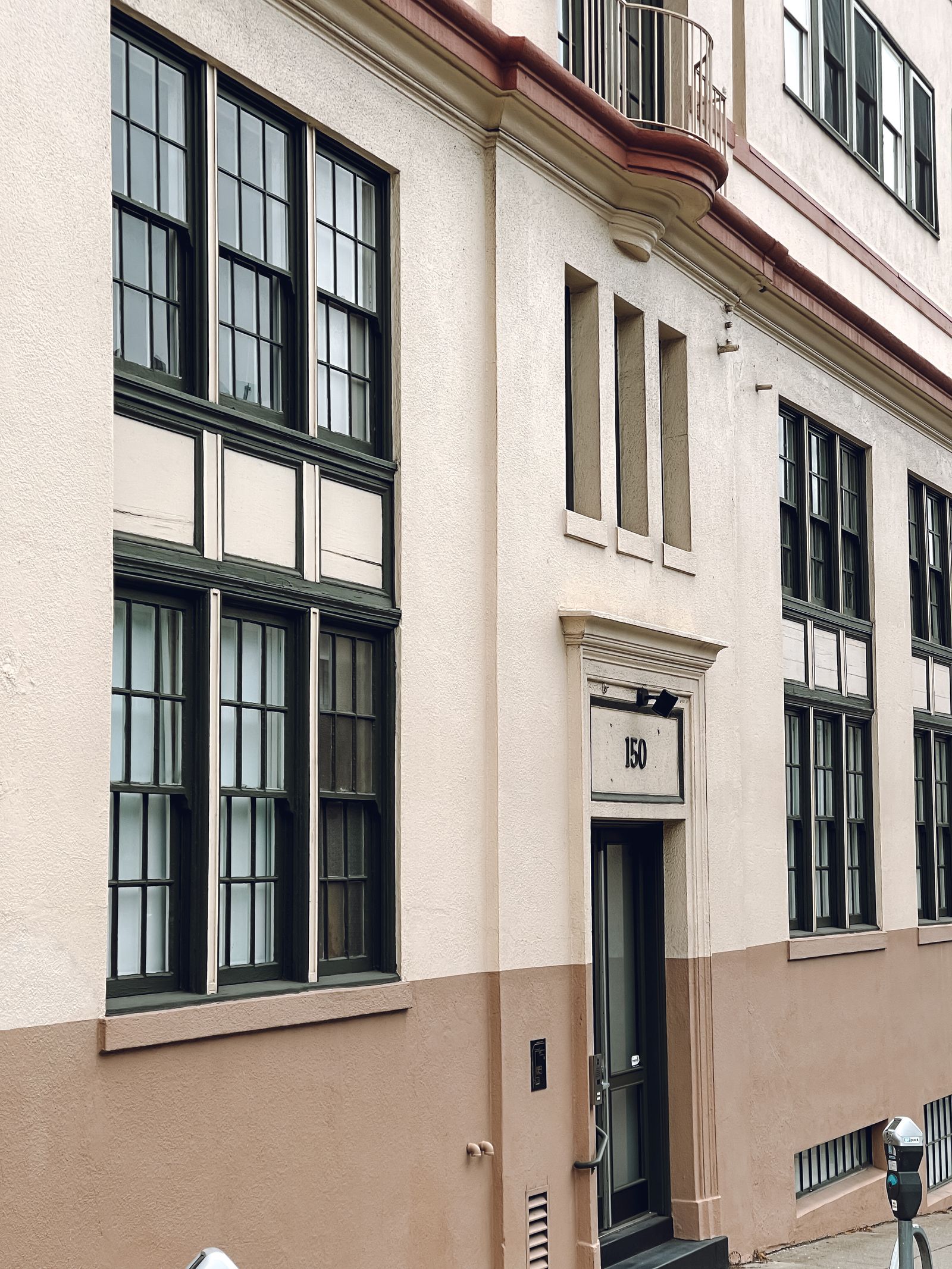
Soft washing generally uses a compatible cleaning solution, measured dwell time, and a controlled lower-pressure rinse to loosen or remove organic growth and atmospheric soil from tested surfaces. On a Fort Myers stucco wall, shaded soffit, painted concrete elevation, or compatible architectural panel, it may address algae, mildew-like staining, pollen, and general film without relying on aggressive impact. That can be useful for offices, hotels, medical buildings, schools, retail centers, and selected warehouse elevations where landscaping, air intakes, tenants, and runoff need careful coordination.
A low-impact description does not make every product suitable for every substrate or receiving area. Coating age, color, porosity, repairs, sealants, windows, vegetation, occupants, and water-control routes all matter. A test panel is valuable when a wall is aged, previously cleaned, patched, or visually important. The proposal should state the intended finish and identify conditions that need specialty treatment or repair instead of treating chemistry as a universal answer.
Where pressure washing helps and where impact becomes the problem
Pressure washing can be appropriate for suitable concrete approaches, sidewalks, curbs, loading areas, dumpster pads, parking structures, service lanes, and other durable surfaces when pressure, nozzle, distance, water volume, and runoff are controlled. A logistics apron near Gateway may have a different requirement from a painted wall over a patient entrance. The correct setting is determined by the substrate and desired finish, not by the equipment's maximum rating or a promise that more force means a cleaner result.
Excessive pressure can etch concrete, strip paint, damage coatings, drive water behind stucco or siding, open a joint, scar soft masonry, disturb sealants, force debris into vents, or leave a visible zebra pattern. It can also move dirty water quickly toward a curb inlet, swale, retention pond, canal, or shared pedestrian route. Ask what pressure and distance will be tested on each material, how sensitive features will be protected, and who can stop the work if the surface or drainage condition changes.
Match the method to Fort Myers surfaces and deposits
Fort Myers buildings commonly present stucco, painted concrete, EIFS, precast, brick, metal panels, glass, tile, awnings, railings, and mixed repairs. A durable concrete loading area may accept controlled pressure while the adjacent stucco, glass, sign, landscape bed, and storefront need soft washing, poles, hand detail, or another trade. River and coastal exposure can add salt film to railings and glass. Shaded landscaping can support organic growth. Irrigation may leave mineral marks. Traffic and delivery activity can create a different lower-wall soil. The method should follow the condition on the wall, not the property type alone.
Name the deposit before selecting the tool. Algae, mildew, and pollen may respond to compatible soft washing; mineral crust, oxidation, construction film, adhesive, graffiti, bird residue, and failed paint may not. Pressure can smear or abrade a bonded mark, while chemistry may loosen it without completing removal. A written scope should separate facade maintenance from glass restoration, mineral treatment, oxidation work, coating repair, sealant work, and replacement so the requested result matches the selected service.
Choose around local corridors, tenants, and public movement
A building on US 41, Cleveland Avenue, Colonial Boulevard, or Daniels Parkway may have heavy traffic, storefront visibility, deliveries, and different tenant schedules throughout the day. Downtown and the River District add sidewalks, restaurants, events, historic-adjacent buildings, and neighboring businesses close to the facade. McGregor Boulevard can bring mature trees and shaded walls, while Gateway and airport-side sites may have larger staging areas but more loading, shuttle, and equipment traffic. San Carlos Park and Estero-area properties may drain toward landscaped islands or retention features shared by several businesses.
The best method on paper can be wrong for an occupied site if it creates unacceptable noise, mist, wet paths, blocked doors, or uncontrolled movement. Medical properties need patient and accessible routes; hotels need arrivals and service lanes; schools need family and event traffic; retail needs storefronts and parking circulation; industrial sites need dock and forklift separation. The proposal should state work windows, staging, barriers, hose routes, wet-surface checks, communication, and handback inspection. A lower-impact method may reduce disruption, but it still needs a real control plan.
Account for salt, heat, storms, and Fort Myers drainage
Southwest Florida's humidity, heat, intense sun, tropical rain, shade, irrigation, and coastal or river exposure affect both soil and scheduling. A seaward or river-facing elevation may show salt film sooner than a protected courtyard. A shaded wall can retain moisture and organic staining, while a sun-exposed facade may show oxidation, chalking, or rapid drying. Hurricane-season rain and wind can change access, drift, surface temperature, and public safety. A one-time wash may reset appearance, but orientation, landscaping, traffic, and exposure should inform any recurring maintenance interval.
Drainage belongs in the method decision. A high-volume pressure rinse can move soil rapidly, while a controlled low-pressure sequence may reduce flow but still create treated water that needs management. Map low points, curb inlets, swales, retention ponds, canals, doors, air intakes, plants, parking ramps, and neighboring routes before work. Use diversion, collection, recovery, reduced rinse volume, filtration, plant protection, or other appropriate controls based on the products and site. A visible storm drain is not automatic permission to discharge wash water, and a clean wall is not a successful closeout if runoff creates a new hazard.
- Identify organic growth, salt film, irrigation residue, mineral scale, traffic soil, oxidation, and coating failure separately.
- Map inlets, swales, ponds, canals, low points, plants, air intakes, loading zones, and occupied paths.
- Coordinate storms, wind, lightning, drying time, security, guest or tenant activity, and public separation.
- Ask what recurring maintenance cycle fits the property's exposure after the initial cleaning.
Understand where drone-assisted cleaning fits
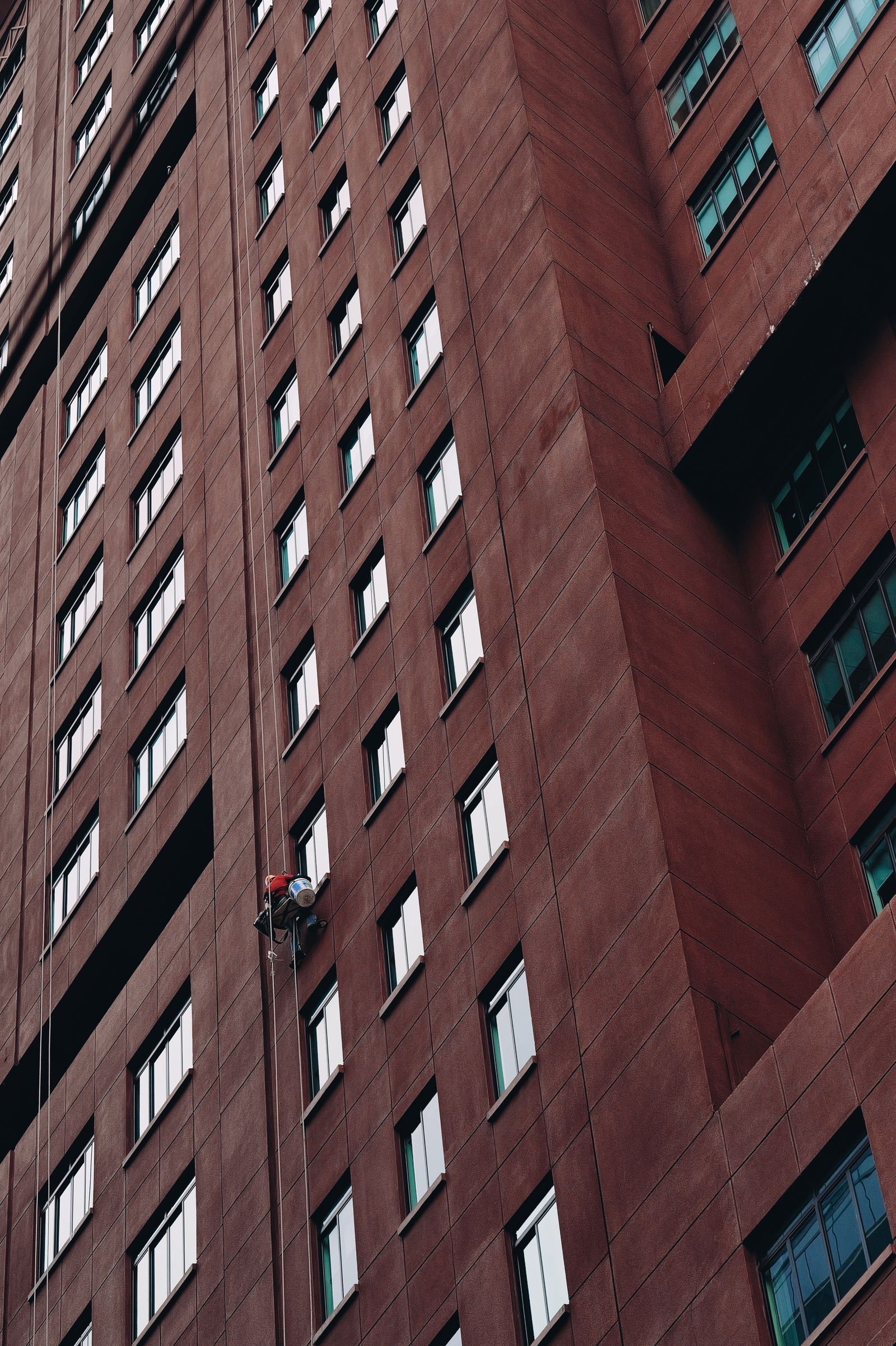
A drone may support selected broad upper elevations when wind, line of sight, airspace, stand-off distance, launch space, water access, and ground controls allow it. That can help on an open tall wall where a lift would be disruptive or difficult to stage. It does not mean a drone is the best method for every side of a Fort Myers building. Palms, power lines, balconies, pool equipment, communications gear, nearby roads, airport activity, narrow property lines, and tropical wind can change feasibility from one elevation to the next.
Many projects work best as a coordinated sequence: aerial assistance on an appropriate upper wall field, ground equipment at entrances and lower details, hand or water-fed work at glass and trim, and a separately tested treatment for mineral or bonded deposits. The scope should map each elevation, define public separation and ground-control roles, set communication and emergency procedures, record weather and airspace limits, and name the fallback method. Commercial operators must comply with applicable FAA requirements and address-specific authorizations. The technology should fit the site plan, not replace it.
Ask better questions before approving a Fort Myers quote
Request a material-by-material method instead of a generic promise to pressure wash or soft wash the whole property. Ask for the intended result, test-area process, included elevations, exclusions, water source, runoff controls, plant protection, work windows, public controls, weather limits, access assumptions, and closeout documentation. Ask how the team will handle stucco, EIFS, glass, railings, canopies, signs, loading areas, stormwater features, and the particular deposit visible on your property. If aerial support is proposed, ask which zones it covers and what happens if wind, airspace, security, or finish requirements make it unsuitable.
For an accurate Fort Myers comparison, send the address, wide and close photographs, approximate height, materials, priority elevations, nearby drains or ponds, water availability, preferred dates, and restrictions involving patients, students, tenants, guests, deliveries, events, or secure areas. A remote review may identify the next step, while a site visit or test area may be appropriate for a complex facade. Call +1 239-351-2897, email contact@dronebuildingcleaners.com, or use the quote form to discuss the property.